
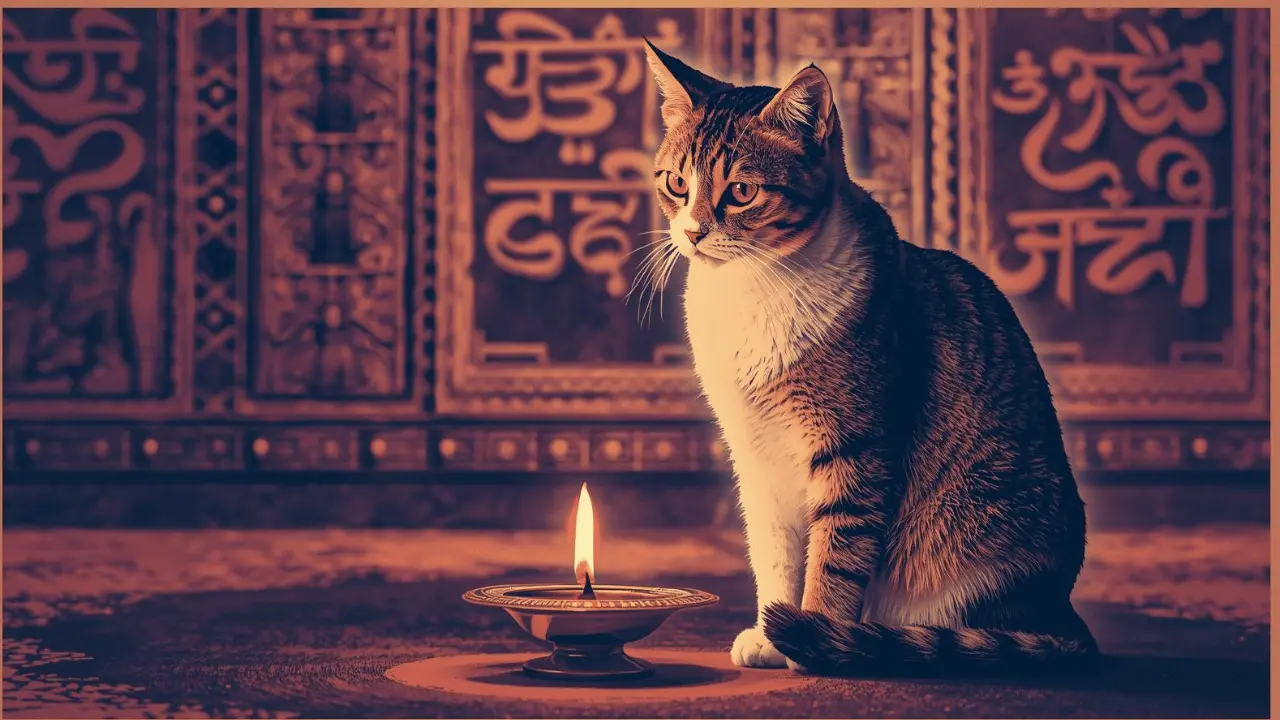

The Mystery Behind a Common Companion
For centuries, cats slipped quietly through Indian homes, temples and old stories—sometimes admired, sometimes mistrusted, but rarely ignored. Today, they are mostly thought of as pets or common street animals. But in ancient India, cats carried a far deeper meaning.
They were seen by some as signs of fortune, spiritual protectors and even messengers tied to the unseen world. Yet one old belief about cats—especially what it meant when one crossed your path—slowly disappeared from everyday memory, surviving only as a superstition that few people now stop to question.
1. The Ancient Indian View of Cats
India’s spiritual tradition has long been shaped by symbolism. From the largest animals to the smallest insects, living creatures were often seen as part of a deeper cosmic order. Cats were no different. They were not always viewed as ordinary animals, but as beings that could carry meaning beyond the visible world.
🕉 Cats in Hindu Mythology
One of the most intriguing divine connections linked to cats appears in the worship of Shashthi Devi, the Hindu goddess associated with fertility, childbirth, and the protection of children. In many traditional depictions, she is shown riding a cat, giving the animal a sacred and symbolic place in household belief.
In older family traditions, especially among women, feeding cats was sometimes seen as an act of devotion in her honour. It was believed that this simple gesture could invite blessings for healthy children, motherhood, and peace within the home. Through this belief, the cat came to represent more than companionship. It became a quiet symbol of protection, nurture, and domestic harmony.
In parts of Bengal and Odisha, small household rituals connected to Shashthi Devi and her feline companion were once a familiar part of rural life. Though these practices have faded in many places, they reveal how deeply cats were once woven into the spiritual imagination of Indian homes.
Cats as Both Auspicious and Ominous
Not all traditions viewed cats solely in a positive light. Their stealth, sharp eyes and mysterious movements made them both revered and feared.
Some saw them as keepers of hidden knowledge, while others believed they symbolized unpredictable change. This blend of reverence and caution sits at the heart of India’s ancient belief about cats.
Also Read: Orange Cat Personality: Myths, Stereotypes and the Truth
2. Origins of an Ancient Superstition
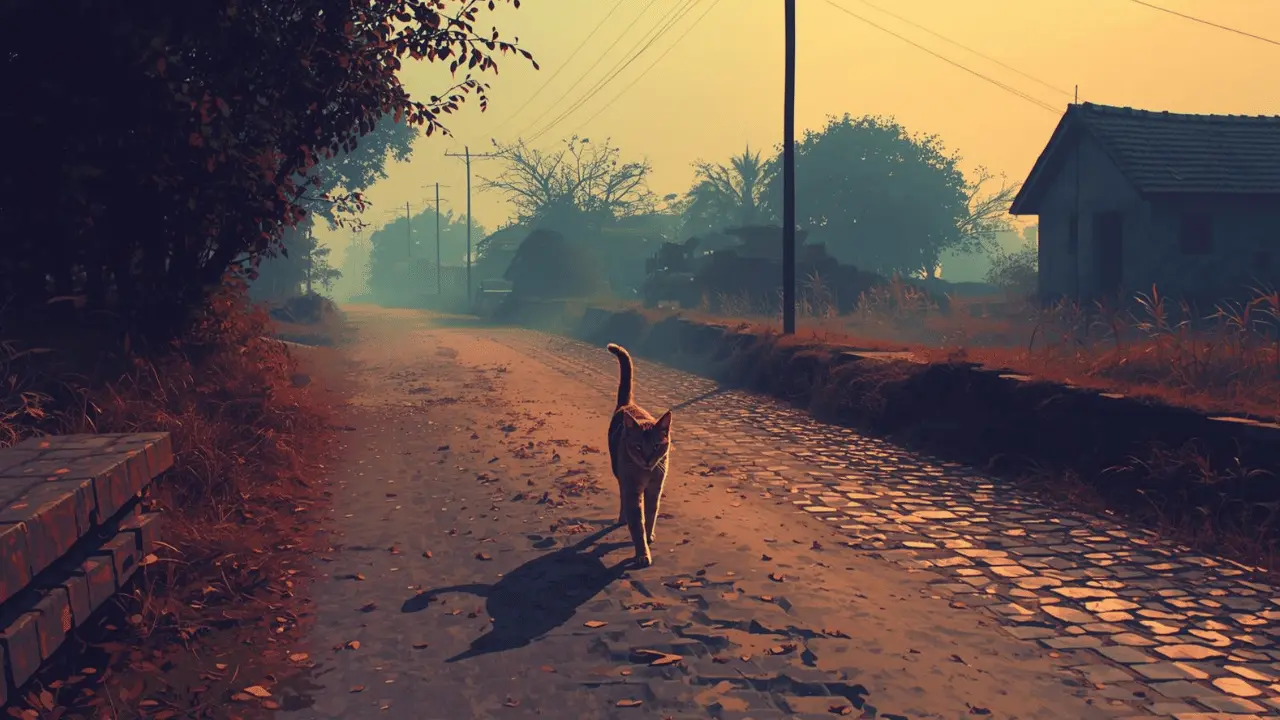
You’ve probably heard the saying that a cat crossing your path brings bad luck. But the real story behind this belief is far more meaningful.
🌒 When a Cat Crosses Your Path
In ancient Indian philosophy, beginning a journey directed your “prana”—life energy—forward with purpose. If a cat crossed your path at that moment, it was said to disrupt that flow, symbolizing uncertainty ahead.
But this wasn’t about cats being unlucky. It was a spiritual reminder to pause—to breathe, reflect, and realign your energy before continuing your journey.
🌕 Why Cats Specifically?
Cats are unpredictable. They appear and vanish in silence, embodying the mystery of fate itself.
When a cat crossed your path, elders would often suggest waiting for a few seconds or letting someone else pass first. That simple act wasn’t superstition—it was mindfulness, a way of acknowledging that destiny isn’t always under human control.
3. Cats and Karma
In Indian folklore, cats often served as mirrors for human behaviour—symbols of both virtue and deception.
🧘 The Story of the Hypocritical Cat
An old Panchatantra tale tells of a cat pretending to live a holy life by a riverbank. Birds and mice, believing in his saintly ways, came to seek blessings—only to be eaten.
This story wasn’t about condemning cats; it was a lesson against false appearances and moral hypocrisy. Cats, with their quiet grace and sudden action, became perfect symbols for how stillness can conceal intent.
🪶 The Lesson of Balance
Rather than portraying cats as evil, these tales reflected their dual nature. Their calm yet alert presence embodied dvaita—the balance of opposites. Stillness and swiftness, calm and chaos—both coexist naturally within them.
4. How Modern India Forgot the Cat’s Place
As India modernized, many traditional beliefs were forgotten. Cats, once tied to goddess worship and household rituals, were reduced to pets—or worse, dismissed as unlucky.
🏠 From Temple Courtyards to City Apartments
In older times, cats were protectors of grain and food supplies, keeping homes safe from rodents. Feeding a cat was seen as an act of virtue.
With urbanization, those traditions faded. Cats lost their sacred status, becoming associated mainly with superstition.
🌍 The Return of the Feline Spirit
Today, that’s slowly changing. Modern India is rediscovering the cat’s symbolism—independence, intuition, emotional awareness, and feminine energy.
Spiritual communities and animal lovers alike are reconnecting with the cat’s deeper meaning. Even yoga and mindfulness practices echo their calm, watchful presence.
The belief lives on—not as superstition, but as spiritual metaphor.
5. What the Old Belief Teaches Us Today

At its core, this ancient belief wasn’t about luck—it was about alignment and awareness.
When a cat crossed your path, it asked you to pause and tune in to your inner rhythm before moving forward. In our fast-moving world, that advice feels more relevant than ever.
💫 Lessons We Can Still Learn from Cats
- Pause before acting. Like a cat, patience creates clarity.
- Trust your intuition. Feel the energy before making a move.
- Respect all life. Every creature carries meaning in the grand design.
- Embrace duality. Life is a blend of calm and chaos, light and shadow.
By revisiting what our ancestors believed about cats, we reconnect with a worldview that valued balance between humans, nature, and unseen energies.
The Silent Teacher We Overlooked
So next time a cat crosses your path, don’t rush to label it as luck or misfortune. See it as a quiet reminder to slow down and reflect.
In ancient India, cats weren’t just creatures of superstition—they were teachers of awareness, balance, and grace. Perhaps it’s time we remember that wisdom.
After all, that cat might not be warning you at all—it might be guiding you toward stillness and clarity.
Frequently Asked Questions
Why are cats associated with Shashthi Devi?
Cats are associated with Shashthi Devi because she is traditionally depicted riding a cat. As a goddess linked with fertility and the protection of children, this connection gave cats a sacred meaning in some Hindu household beliefs.
Were cats considered sacred in India?
In some Indian traditions, cats were viewed with spiritual respect, especially when linked to divine symbolism and household rituals. While not worshipped everywhere in the same way as some other animals, they still held meaningful symbolic value.
What did feeding cats symbolize in traditional households?
Feeding cats in traditional households could symbolize devotion, compassion and a desire for blessings connected with family well-being. In some regions, it was also tied to honouring Shashthi Devi.
What does a cat crossing your path mean in Indian belief?
In traditional Indian belief, a cat crossing your path was sometimes seen as a sign that called for caution, pause or reflection. The meaning could vary by region, family tradition and cultural interpretation.
Is the belief about cats crossing your path only superstition?
Many people today treat it as superstition, but older beliefs often carried deeper symbolic and cultural meaning. What now seems like a simple superstition may once have reflected a broader spiritual view of signs and daily life.
