

You sip mint tea for calm.
You grow mint for its fresh smell.
But did you know this innocent plant could spell trouble for your cat?
Many pet parents assume mint is harmless — after all, it is natural, right?
But cats process mint very differently than humans, and the wrong type of mint can irritate their stomach, affect their breathing, or even stress their liver.
Before you grow it, diffuse it, or offer your cat a quick sniff, here is what every cat owner needs to know.
Understand Mint and Cats
Mint belongs to the Lamiaceae family — peppermint, spearmint, lemon balm and more.
Refreshing for humans. But for cats, it can be a different story.
Cats lack certain liver enzymes needed to process these plant oils.
So while mint smells harmless to us, it can irritate a cat’s stomach, liver, or breathing — even in small amounts.
That does not mean every mint plant is instantly deadly, but the risk is real, and knowing the difference matters.
Read Also➡️6 Reasons Why Your Cat Sneezes All the Time
How Toxic Is Mint to Cats?
So, how harmful can mint be?
For many mint plants, a tiny taste might only cause mild stomach upset — vomiting, drooling, or diarrhea.
But concentrated forms like essential oil are far more dangerous, and even inhalation can affect breathing or liver function.
A curious nibble might not always lead to panic — but mint should never be considered a safe treat. Even mild discomfort for your pet is not worth the risk.
Different Types of Mint and Their Effects on Cats 🌿
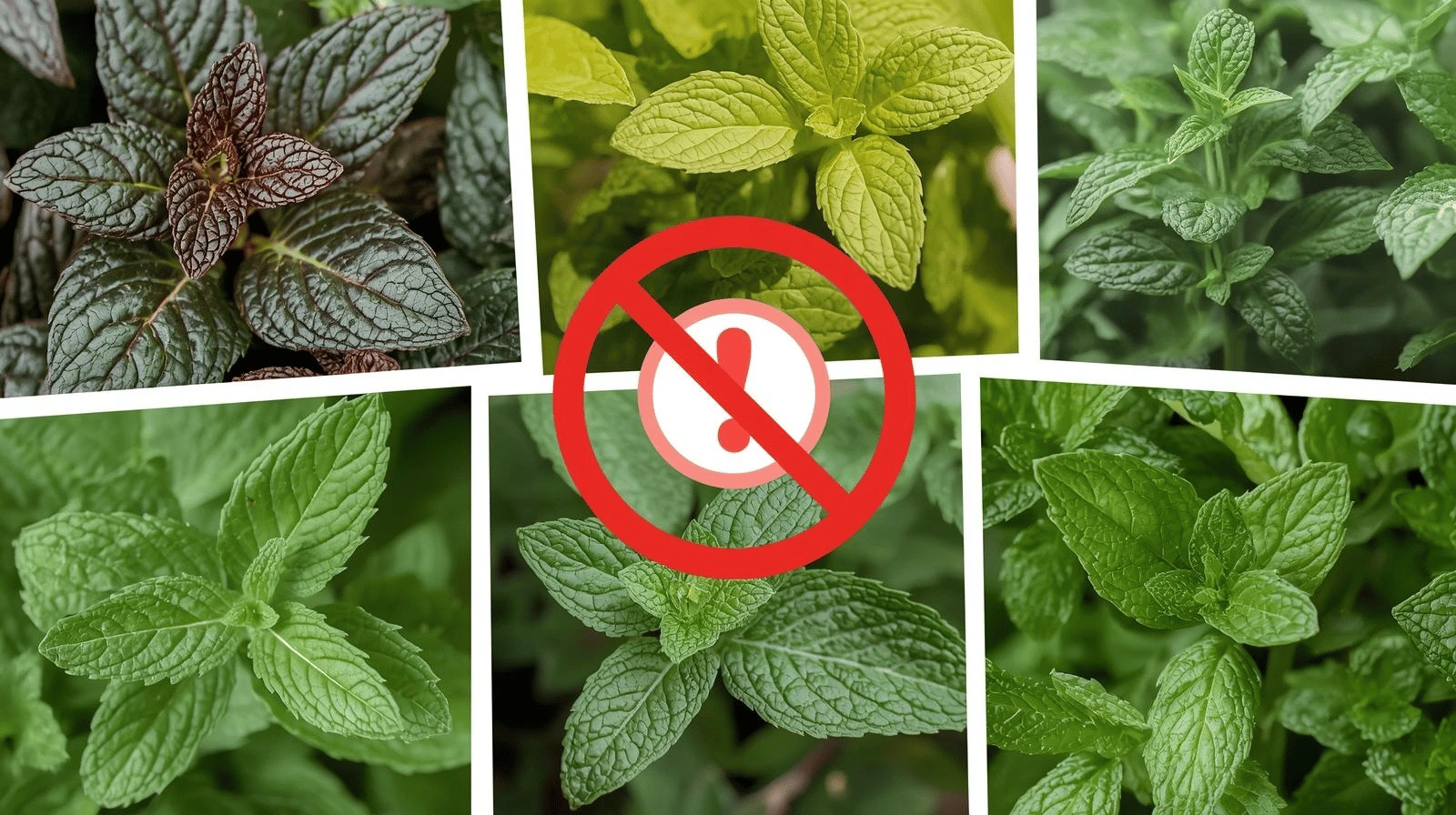
Common Mint Plants
- Fresh Mint: Fresh leaves may seem innocent, but they can still irritate a cat’s stomach. Best to keep them out of reach.
- Sweet Mint: Similar to spearmint. Pleasant for humans, but can upset a cat’s stomach and should not be offered.
- Garden Mint: Contains essential oils that are not cat-friendly.
- Large amounts = higher risk.
Specialty Varieties of Mint
- Chocolate Mint: Smells like chocolate, but still toxic for cats due to mint oils — and anything chocolate-related is risky by association.
- Lemon Mint: Refreshing citrus scent to us, but mint + citrus compounds make it unsafe for cats.
- Corsican Mint: Ground-cover plant; ingestion can cause vomiting and lethargy.
- Mexican Mint (Indian borage): Herbal medicine for humans, but gastro-irritant for cats.
- Orange Mint & Hummingbird Mint: Less common, but still unsafe due to essential oil content.
Processed Mint Products
- Icebreaker Mints: Cats should never be given human candies, gum, or breath mints. If you’ve wondered, is icebreaker mints toxic to cats? the answer is yes, both due to mint flavoring and potentially harmful ingredients like xylitol.
Read Also➡️Why Do Cats Meow at Night? 4 Fascinating Explanations
Mint Oils and Extracts: The Biggest Risk
Mint essential oil is where most problems start.
Cats are extremely sensitive to essential oils — ingesting, inhaling, or even skin exposure can cause trouble.
- Mint essential oil: Highly toxic
- Mint oil: Same danger
- Mint smell alone: Strong aromas can irritate breathing
If you use diffusers, sprays, or oils at home, always keep them far from cats — even indirect exposure can be stressful for their body.
Cat Mint vs. Toxic Mint
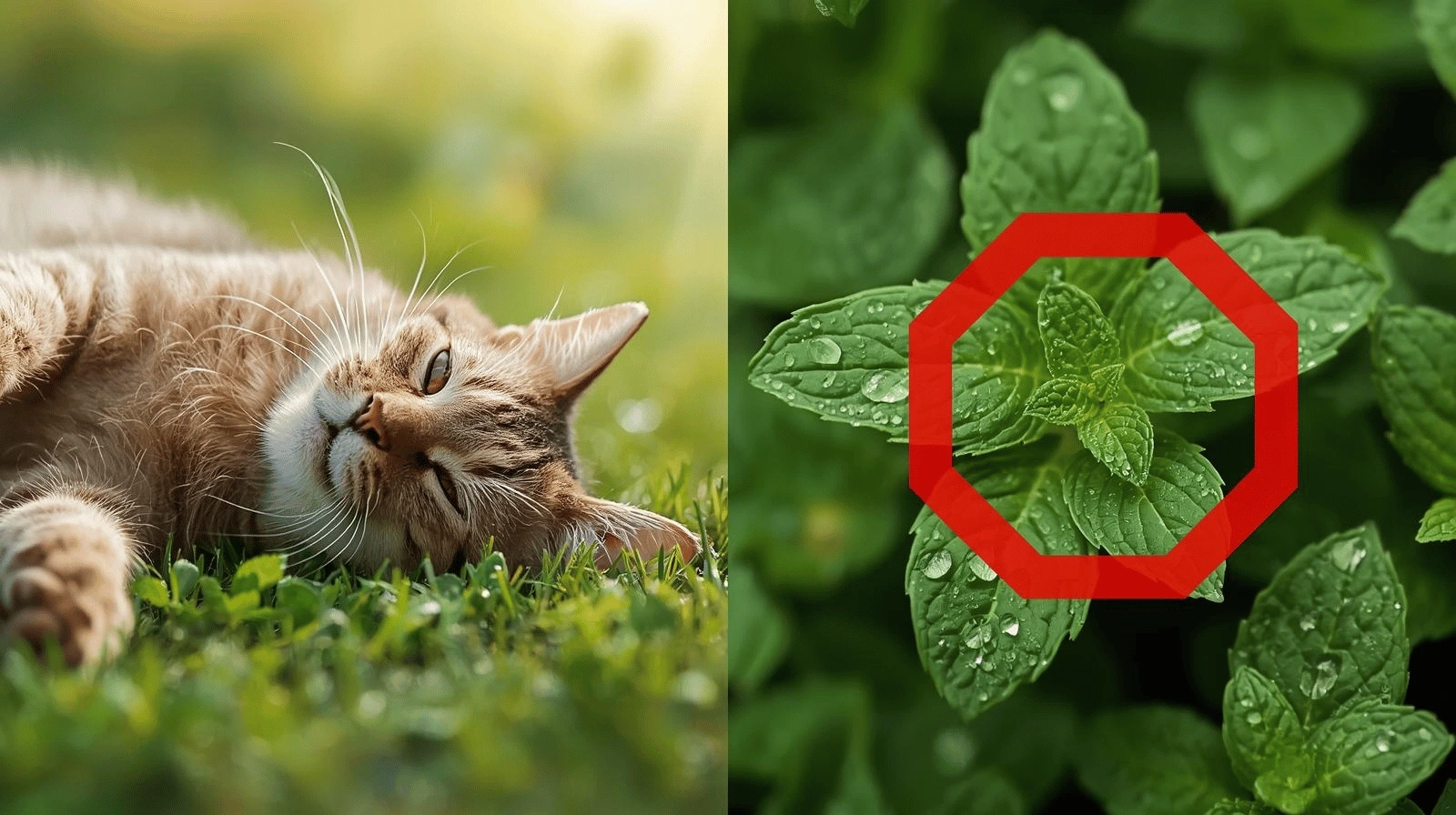
Many cat parents get confused here — cat mint/catnip is different from peppermint or spearmint.
- Catmint (Nepeta cataria) = Safe + fun
- Peppermint, spearmint & oils = Risky
Catnip is designed by nature to delight cats.
Mint plants that humans use — not so much.
Symptoms of Mint Poisoning in Cats 🚨
If a cat ingests or inhales toxic mint, you may notice symptoms such as:
- Vomiting or diarrhea
- Drooling or foaming at the mouth
- Lethargy or weakness
- Difficulty breathing (especially with essential oils)
- Loss of appetite
Severe cases, particularly from essential oils, can cause liver failure or neurological symptoms.
Read Also➡️What Is Catnip? History, Science, and Why Cats Love It
What to Do If Your Cat Eats Mint
If you suspect your cat has eaten mint, stay calm but act quickly:
- Remove the plant or product
- Watch for vomiting, drooling, or weakness
- Call your vet if anything seems off
- If unsure, contact ASPCA Poison Control
Early attention can make all the difference.
Preventing Accidental Exposure to Mint
Prevention is always better than treatment. Here are tips to protect your cat:
- Avoid growing mint plants indoors or in areas your cat can access.
- Never use mint essential oils in diffusers, sprays, or cleaning products near cats.
- Store mints, candies, and flavoured products in sealed containers.
- Offer safe alternatives like catnip or silvervine to satisfy your cat’s curiosity.
Frequently Asked Questions
Is mint plant toxic to cats?
Yes, most mint plants—including peppermint, spearmint, and garden mint—are toxic to cats. They contain essential oils that can cause vomiting, diarrhea, or lethargy when ingested.
How toxic is mint to cats?
Fresh mint leaves may only cause mild stomach upset, but concentrated forms like mint essential oil are highly toxic and dangerous for cats.
Is chocolate mint toxic to cats?
Yes. Chocolate mint plants contain the same harmful compounds as other mints, and the name “chocolate” can add confusion since chocolate itself is toxic to cats.
Is mint essential oil toxic to cats?
Absolutely. Mint essential oil is one of the most dangerous forms of mint exposure for cats. Ingesting or inhaling it can lead to respiratory distress, liver damage, or neurological issues.
Are mint leaves safe for cats?
No. Even small amounts of fresh mint leaves can upset a cat’s stomach. While not as dangerous as oils, they should not be fed to cats.

1 thought on “Is Mint Safe for Cats? Hidden Toxic Types, Oils & What To Do”