
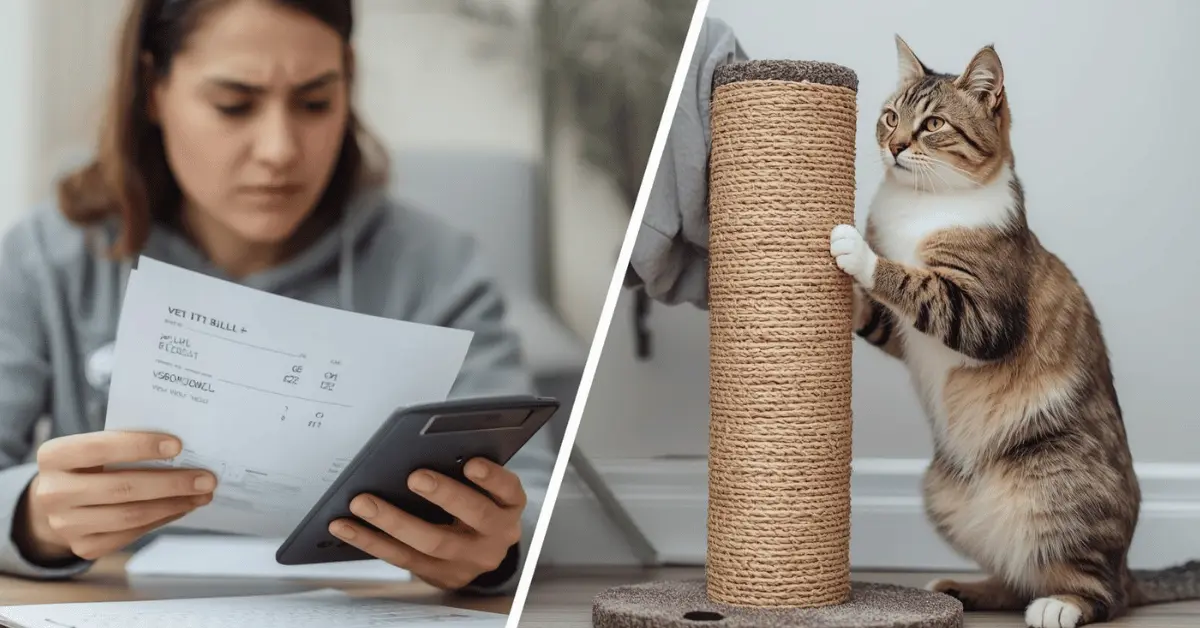

Declawing is one of the most controversial topics in feline care. While many cat owners search for how much it costs to declaw a cat, the financial aspect is only a small piece of the bigger picture. Declawing isn’t just a manicure — it’s a serious surgery that can affect your cat’s health, behaviour, and quality of life.
Understand What Declawing Really Is
Declawing is a surgical amputation of the last bone in each of a cat’s toes. To remove the claw, the entire bone must be taken out, similar to cutting a human finger off at the last knuckle.
Why People Consider Declawing
- Protecting furniture from scratches
- Preventing accidental scratches on children or elderly family members
- Belief that it’s harmless or routine
The Reality Behind the Procedure
Veterinarians and animal welfare organizations, including the American Veterinary Medical Association (AVMA), emphasize that declawing is a last resort. It’s a major surgery, not a cosmetic adjustment, and comes with risks many owners don’t anticipate.
How Much Does It Cost to Declaw a Cat?
The cost of declawing a cat varies widely depending on location, veterinarian experience, and the surgical method used. On average, you can expect to pay:
- $100 – $250 for a simple front-paw declaw (traditional method)
- $250 – $500 for laser declaw surgery, which is marketed as less invasive
- $300 – $800+ for a full declaw (all four paws), though most vets refuse to perform this
Prices may also vary depending on whether the surgery is bundled with spaying or neutering, which some clinics offer to reduce anesthesia costs.
Factors That Influence the Cost of Declawing

Declawing costs aren’t standardized, and several elements can make the price go up or down.
Veterinary Clinic Type
Private veterinary hospitals may charge more than low-cost spay and neuter clinics. Specialty animal hospitals with advanced equipment often price higher because they use more modern surgical methods.
Surgical Method Used
- Scalpel or guillotine clipper method: Least expensive but most invasive.
- Laser declawing: Higher upfront cost but marketed as “cleaner” with slightly less bleeding.
Cat’s Age and Health
Older cats or cats with health issues may need more anesthesia and post-operative care, which increases costs.
Additional Expenses Beyond the Surgery
The initial surgery fee is only part of the financial commitment. Cat owners often face additional expenses, such as:
Post-Surgery Care Costs
- Pain medication ($20–$50)
- Antibiotics to prevent infection ($30–$60)
- Special bandages or protective gear for recovery
Long-Term Complications and Their Costs
Declawed cats are more prone to developing:
- Arthritis or lameness (potentially hundreds in vet bills)
- Infections and paw sensitivity
- Behavioural issues such as biting, which may require training or therapy
When you consider both the immediate and long-term expenses, the “cheap” solution of declawing can become far more costly than expected.
Comparing Declawing Costs With Humane Alternatives
One of the most overlooked aspects of this debate is that alternatives cost significantly less than declawing surgery.
Affordable Alternatives
- Scratching posts & cat trees: $20–$100
- Soft nail caps (Soft Paws): $15–$25 per pack (lasts 4–6 weeks)
- Regular nail trimming: Often free if done at home, or $10–$30 per session at a groomer
Compared to the $300–$800+ total cost of surgery, these alternatives save money while keeping cats healthier.
Related Posts
- 6 Reasons Why Your Cat Sneezes All the Time
- Why Your Cat Follows You Everywhere
- Why Do Cats Meow at Night? 4 Fascinating Explanations
- Why Does My Cat Scratch the Furniture?
- Why Do Cats Knead Blankets and Pillows?
Is Declawing Cats Harmful?
The debate about declawing often centres on whether it’s harmful. Research and veterinary testimony overwhelmingly suggest that it is.
Physical Health Risks
- Chronic pain from damaged nerves
- Bone regrowth under the skin, leading to severe discomfort
- Arthritis due to altered gait and posture
Behavioural Consequences
Declawed cats often turn to biting since their natural defence mechanism is gone. Others may stop using the litter box because walking on their paws becomes too painful.
Is Declawing Cats Illegal?
In many regions, declawing is already banned or heavily restricted.
- United States: States like New York and cities such as Los Angeles, Denver, and San Francisco have outlawed declawing except for medical necessity.
- Canada: Several provinces, including British Columbia and Nova Scotia, have banned the procedure.
- Europe: Declawing is illegal in most European countries, including the UK, Germany, and France.
The legal trend is clear — more jurisdictions are moving to protect cats from unnecessary declawing. For up-to-date regulations, you can consult the AVMA’s policy on declawing cats.
Is It Wrong to Declaw a Cat?
Many cat owners ask whether declawing is morally acceptable. The answer often depends on perspective, but animal welfare advocates strongly oppose it.
Arguments Against Declawing
- It removes a cat’s natural defence mechanism.
- It causes pain and possible lifelong health problems.
- Safer, humane alternatives exist.
When Vets May Consider It
In rare cases, declawing may be performed if a cat has a severe medical condition such as a tumor in the toe. Outside of medical necessity, most veterinarians refuse to do it.
Humane Alternatives to Declawing Cats
If the goal is to protect your furniture, skin, or home from scratches, there are far better solutions than surgery.
Regular Nail Trimming
Trimming your cat’s claws every few weeks keeps them blunt and less damaging. With patience and training, most cats tolerate this routine.
Scratching Posts and Pads
Cats scratch instinctively to stretch muscles and mark territory. Providing scratching posts, cardboard pads, or cat trees channels this natural behaviour away from furniture.
Soft Nail Caps
Vinyl nail caps, often sold under the brand name Soft Paws, cover the cat’s claws. They’re safe, painless, and last several weeks before needing replacement.
Behavioural Training
Redirecting scratching behaviour through positive reinforcement can solve the issue long-term without surgery.
Declawed Cats and Adoption
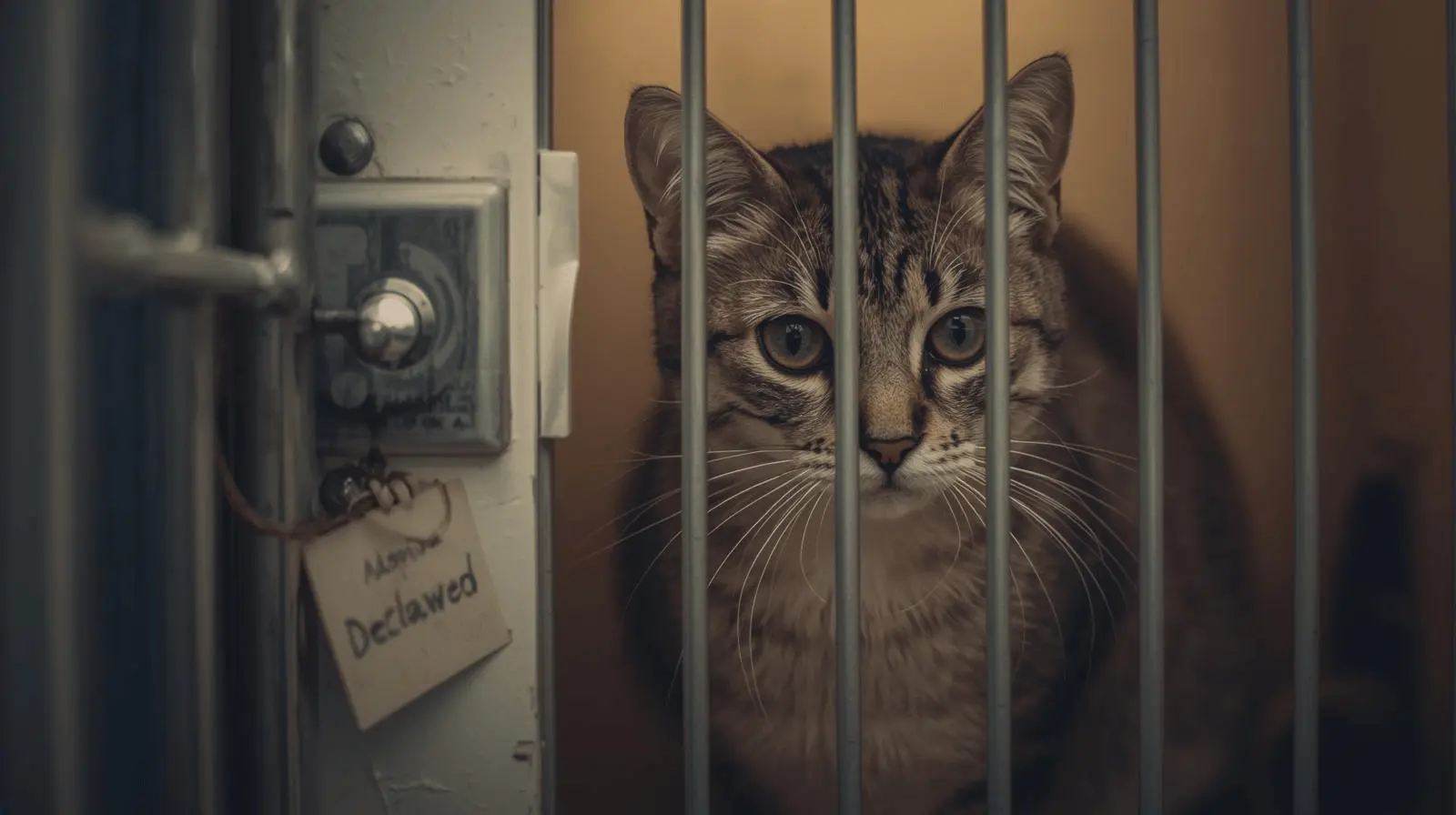
Despite the growing opposition to declawing, many cats in shelters are already declawed. Adopting a declawed cat comes with special considerations:
- Litter box aversion may be more common.
- Sensitivity in paws may make them more defensive.
- Indoor-only requirement, since they lack natural defences.
If you’re considering adopting a declawed cat, be prepared to provide a safe and supportive environment.
What Cat Owners Should Ask Before Considering Declawing
If you’re still weighing the decision, here are key questions to ask your veterinarian:
- What are the medical risks specific to my cat’s age and health?
- Are there local bans or restrictions on declawing?
- What alternatives should I try first?
- How will this affect my cat’s behaviour long-term?
These conversations can help prevent regret and ensure the best decision for your cat’s welfare.
Global Perspectives on Declawing
Declawing is viewed very differently around the world.
- United States: Still legal in most states, though opposition is growing.
- Europe: Widely condemned and illegal in nearly every country.
- Australia & New Zealand: Banned except in extreme medical cases.
This global contrast highlights how cultural views on animal welfare influence veterinary practices.
Conclusion: The True Cost of Declawing
While many pet owners start their research by asking, “How much does it cost to declaw a cat?”, the real question should be: “Is it worth the risks?”
The upfront price of $100–$500 only scratches the surface. Long-term health complications, behavioural challenges, and the ethical debate make declawing a controversial choice.
Frequently Asked Questions
How much does it cost to declaw a cat?
The cost to declaw a cat typically ranges from $100 to $500, depending on the clinic, location, and surgical method.
Is declawing a cat painful?
Yes. Declawing is a major surgery that involves amputating part of a cat’s toes. Even with pain medication, many cats experience long-term discomfort, sensitivity, or arthritis later in life.
At what age can a cat be declawed?
Most veterinarians who still perform the surgery recommend doing it when cats are under 6 months old.
Is it illegal to declaw cats?
Declawing is banned in many countries, including most of Europe, Australia, and New Zealand. In the U.S., states like New York and cities like Los Angeles, Denver, and San Francisco have outlawed it.
