
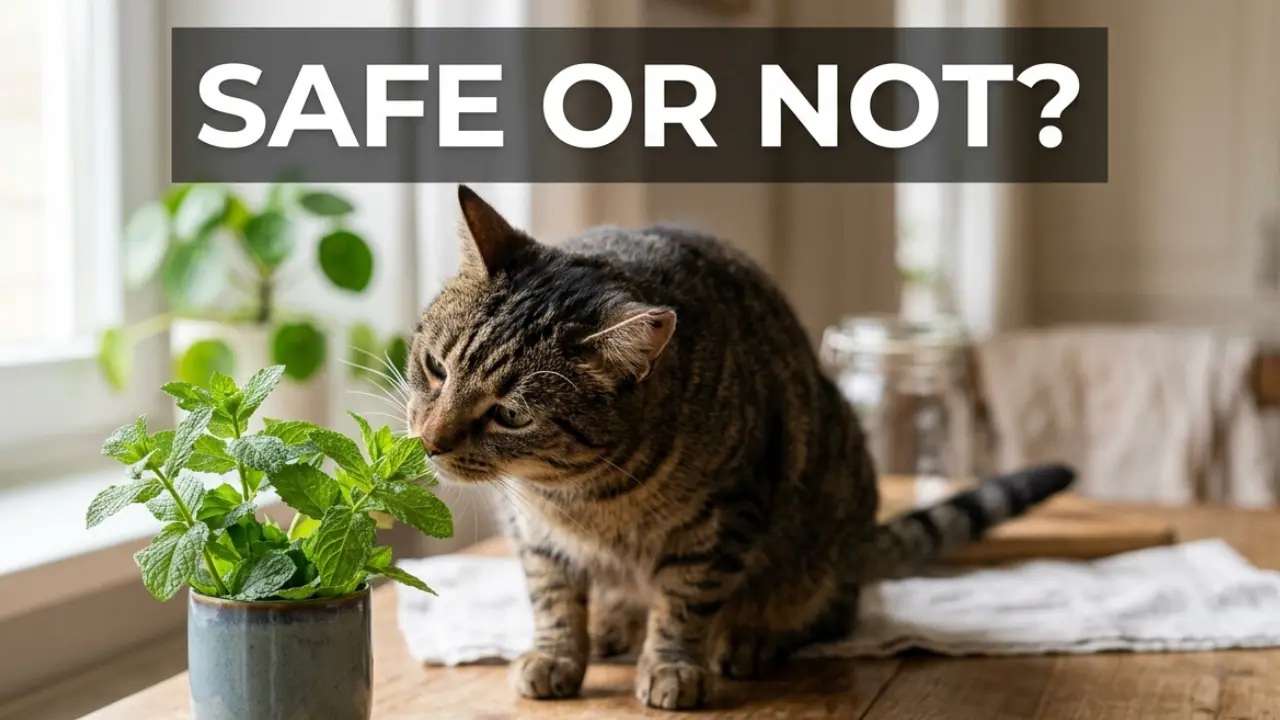

Mint is one of those plants that feels harmless. It is fresh, common in kitchens and often associated with natural remedies. Because of that, many cat owners assume it is completely safe if their pet shows interest in it.
However, the situation is not as simple as it first appears. The word “mint” covers a wide range of plants and not all of them affect cats in the same way. Some varieties may cause mild digestive issues, while others—especially in concentrated forms—can be more concerning.
Cats are naturally curious and even a small amount of exposure can raise questions. Understanding which types are safe, which ones to avoid and how to respond if your cat interacts with mint is important for everyday pet care.
Is Mint Toxic to Cats?
Mint is not always severely toxic to cats but it is not something they should be encouraged to eat. The risk depends on the type of mint, the amount consumed and whether the exposure came from fresh leaves, dried herbs, oils, sprays or flavoured products.
A tiny bite of fresh spearmint or peppermint may only cause mild stomach upset or no obvious symptoms at all. However, that does not make mint beneficial. Cats do not need mint in their diet and regular chewing can lead to digestive irritation.
The more concentrated the mint product is, the more concerning it becomes. Essential oils, extracts and strong mint flavourings contain much higher levels of active compounds than a fresh leaf.
Simple rule for cat owners:
- Fresh mint leaf: lower risk but still unnecessary
- Dried mint: more concentrated than fresh leaves
- Mint extract: higher risk
- Mint essential oil: high risk
- Mint-flavoured human products: risky because of added ingredients
The safest answer is this: do not offer mint to cats on purpose, and keep concentrated mint products away from them. If you’re unsure about other household risks, it helps to understand [common household toxins for cats — Hidden Dangers in Everyday Cat Environments].
Why Mint Can Be a Problem for Cats
Cats have a unique metabolism. Their liver does not process certain plant compounds as efficiently as a human liver does. This is one reason substances that seem mild to people can affect cats more strongly.
Mint plants contain aromatic oils. These oils give mint its strong scent, but they can irritate a cat’s mouth, stomach, skin, airways or nervous system depending on the exposure.
Another issue is grooming. If mint oil or mint-scented residue gets on your cat’s fur, your cat may lick it off. That turns a skin exposure into an ingestion risk.
Mint can affect cats through:
- Eating leaves or dried herbs
- Licking oils or sprays from fur
- Walking on treated surfaces and grooming paws
- Breathing in diffused essential oils
- Chewing mint-flavored human products
This is why mint safety is not only about plants. It is also about the products used around your home, similar to risks discussed in [are essential oils safe for cats — What Every Cat Owner Needs to Know].
Types of Mint and Their Risk Levels
Not every plant called “mint” carries the same risk. Some are common kitchen herbs, while others are ornamental plants, wild plants or mint relatives with stronger compounds.
Peppermint and spearmint are the most common household varieties. A small nibble is usually less concerning than exposure to concentrated oils but repeated chewing should still be discouraged.
Pennyroyal is much more dangerous and should never be accessible to cats. It is sometimes associated with herbal pest control or essential oils, which makes it especially concerning in pet homes.
Catnip is different. It belongs to the mint family but it is widely considered safe for cats when used appropriately.
Helpful comparison:
| Mint type or product | Risk level for cats | Main concern |
|---|---|---|
| Fresh spearmint | Low to moderate | Stomach upset if eaten |
| Fresh peppermint | Low to moderate | Digestive irritation |
| Dried mint | Moderate | More concentrated than fresh leaves |
| Mint extract | Moderate to high | Strong flavor compounds |
| Mint essential oil | High | Toxicity risk through skin, air or ingestion |
| Pennyroyal | Very high | Serious poisoning risk |
| Catnip | Low | Usually safe enrichment |
Understanding plant differences is key, much like in [toxic vs safe plants for cats — A Complete Indoor Plant Guide].
Catnip: Safe Mint Family
Catnip is part of the mint family, but it behaves differently from peppermint, spearmint or pennyroyal. It contains nepetalactone, which affects many cats in a temporary and generally harmless way.
Some cats become playful, excited or silly after smelling catnip. Others become calm and relaxed. A small percentage of cats do not react at all, which is also normal.
Catnip is not addictive and the effects usually fade after a short period. Still, moderation is best. Too much catnip can cause mild stomach upset, especially if a cat eats a large amount.
Best uses for catnip:
- Toys
- Scratching posts
- Short play sessions
- Enrichment for indoor cats
- Encouraging exercise
For enrichment ideas, see [how to keep indoor cats mentally stimulated — Boredom Busters That Actually Work].
Hidden Mint Dangers
Many mint exposures happen without a cat eating a plant. Mint is used in a wide range of household and personal care products and some of these are more dangerous than fresh leaves.
Toothpaste is one example. It often contains strong mint flavouring and may also contain ingredients that are unsafe for pets. Chewing gum can be even more dangerous if it contains xylitol, which is highly toxic to dogs and concerning enough that pet owners should keep it away from all animals.
Cleaning sprays, air fresheners, balms, muscle rubs and pest repellents may also contain mint oils. A cat may inhale them, walk across treated surfaces or lick residue from fur.
Check these items at home:
- Toothpaste
- Mouthwash
- Chewing gum
- Breath mints
- Essential oil blends
- Cleaning sprays
- Air fresheners
- Pest repellents
- Muscle rubs
- Herbal ointments
- Scented candles
- Potpourri
The hidden danger is concentration. A mint plant may smell strong but a mint oil or spray can be far stronger.
Why Mint Essential Oil
Mint essential oil is not the same as mint leaves. Essential oils are concentrated extracts, which means a small amount can contain a large dose of plant chemicals.
Cats are also close to the ground. If oils settle on floors, bedding, furniture or counters, a cat can touch them and later groom them off. This creates repeated exposure.
Diffusers can create another problem. Even if your cat does not touch the oil, they may breathe it in. In small rooms or poorly ventilated spaces, this can irritate the airways.
Avoid these habits in homes with cats:
- Applying mint oil directly to a cat
- Using mint oil as flea control
- Diffusing peppermint oil in closed rooms
- Spraying mint oil on bedding or furniture
- Using mint oil cleaners on areas cats walk on
Natural flea remedies are especially risky. A product can be “natural” and still unsafe for cats. For safer pest control, review [safe flea treatments for cats — Vet-Approved Options Explained].
Symptoms of Mint Exposure in Cats
Symptoms vary depending on the amount and type of exposure. A cat that chews a small leaf may only have mild digestive signs. A cat exposed to essential oil may show more serious symptoms.
Mild signs can include drooling, lip licking, vomiting, diarrhea or reduced appetite. These symptoms suggest irritation and should be monitored closely.
More concerning signs include weakness, shaking, wobbliness, breathing trouble or unusual sleepiness. These may suggest a stronger reaction and need urgent veterinary attention.
Watch for:
- Drooling
- Vomiting
- Diarrhea
- Pawing at the mouth
- Loss of appetite
- Hiding or unusual quietness
- Weakness
- Tremors
- Trouble breathing
- Collapse
Cats often hide illness. A small behaviour change can matter. If you’re unsure whether symptoms are serious, compare with [early signs your cat is sick — Subtle Symptoms Owners Miss].
What To Do If Your Cat Eats Mint
First, remove the mint or product so your cat cannot keep eating or touching it. Then try to identify exactly what your cat was exposed to.
Fresh leaves are usually less concerning than oils, extracts or unknown products. Still, the amount matters. A few chewed leaves are different from a large portion of a plant.
Do not try to make your cat vomit unless a veterinarian tells you to. Some home methods are dangerous and can make the situation worse.
Take these steps:
- Move your cat away from the source
- Save the plant label or product packaging
- Check the ingredients if available
- Look for vomiting, drooling, shaking or breathing changes
- Call your veterinarian or a pet poison helpline if symptoms appear
Having the product label ready can help the vet assess the risk faster. You can also follow guidance from [what to do if your cat eats something toxic — Step-by-Step Emergency Guide].
When Mint Exposure Is an Emergency
Some situations should be treated as urgent from the start. Essential oil exposure is one of them, especially if the oil touched your cat’s skin or your cat may have licked it.
Breathing symptoms are also urgent. Cats can decline quickly when their airways are irritated or compromised.
Repeated vomiting, tremors, severe weakness or collapse should never be watched at home without professional guidance.
Go urgently if:
- Your cat inhaled or licked mint essential oil
- Your cat has trouble breathing
- Vomiting continues or becomes severe
- Your cat is shaking or unsteady
- Your cat seems extremely weak
- A kitten, senior cat or sick cat was exposed
When symptoms are serious, waiting can increase risk. Situations like these align with [when to take your cat to the emergency vet — Clear Warning Signs].
How Vets May Treat Mint Exposure
Treatment depends on what your cat was exposed to and how severe the symptoms are. For mild stomach upset, your vet may recommend monitoring, hydration and supportive care.
If essential oils are involved, the vet may need to clean residue from the skin or fur safely. They may also treat nausea, dehydration, breathing irritation or neurological symptoms.
In more serious cases, a cat may need fluids, medication, oxygen support or observation at the clinic.
Your vet may ask:
- What type of mint was involved
- Whether it was fresh, dried, oil or extract
- How much your cat ate or touched
- When the exposure happened
- What symptoms you have noticed
Clear information helps your cat get the right care faster.
Safer Plant Alternatives for Cats
Cats often chew plants because they are curious, bored, or attracted to texture and smell. Offering safer options can reduce the temptation to chew risky plants.
Cat grass is a useful choice because many cats enjoy nibbling it. It gives them a safe plant outlet and can be grown indoors.
Catnip and silvervine can provide enrichment, especially for indoor cats that need more stimulation. These are better options than peppermint, spearmint or unknown herbs.
Better choices include:
- Cat grass
- Catnip
- Silvervine
- Valerian root toys
- Cat-safe wheatgrass
Always introduce new enrichment in small amounts to see how your cat responds. Explore more in [best safe plants for cats — Indoor Pet-Friendly Options].
How To Keep Mint Away From Cats
Prevention is easier than treatment. If you grow mint, keep it in a place your cat cannot access. Remember that cats climb, jump and knock things over, so a high shelf is not always enough.
For products, secure storage matters. Toothpaste, oils, sprays and balms should be kept in closed cabinets rather than open counters.
Cleaning habits also matter. Avoid using mint-based sprays on floors, scratching posts, bedding or surfaces your cat touches often.
Cat-safe prevention tips:
- Keep mint plants outdoors or in closed rooms
- Avoid essential oil diffusers around cats
- Store mint products in cabinets
- Read labels on “natural” cleaners
- Choose unscented pet-safe cleaning products
- Wash hands after using mint balms or oils
A few small changes can remove most of the risk. For a full safety checklist, see [how to cat-proof your home — Room-by-Room Safety Guide].
Common Myths About Mint and Cats
There is a lot of confusion around mint because catnip belongs to the mint family. This leads some owners to assume all mint plants are cat-friendly.
Another common myth is that cats instinctively avoid harmful plants. Some do, but many cats chew unsafe things out of curiosity, boredom or playfulness.
The biggest myth is that natural products are automatically safe. Essential oils are natural but they can still be dangerous for cats.
Myths to avoid:
- “All mint is like catnip.”
- “If my cat likes the smell, it must be safe.”
- “Natural oils are safer than chemicals.”
- “A small diffuser cannot hurt.”
- “Cats know what not to eat.”
Good pet care is based on prevention, not assumptions.
Frequently Asked Questions
Is mint plant toxic to cats?
Yes, most mint plants—including peppermint, spearmint and garden mint—are toxic to cats. They contain essential oils that can cause vomiting, diarrhea or lethargy when ingested.
How toxic is mint to cats?
Fresh mint leaves may only cause mild stomach upset but concentrated forms like mint essential oil are highly toxic and dangerous for cats.
Is chocolate mint toxic to cats?
Yes. Chocolate mint plants contain the same harmful compounds as other mints and the name “chocolate” can add confusion since chocolate itself is toxic to cats.
Is mint essential oil toxic to cats?
Absolutely. Mint essential oil is one of the most dangerous forms of mint exposure for cats. Ingesting or inhaling it can lead to respiratory distress, liver damage or neurological issues.
Are mint leaves safe for cats?
No. Even small amounts of fresh mint leaves can upset a cat’s stomach. While not as dangerous as oils, they should not be fed to cats.
