
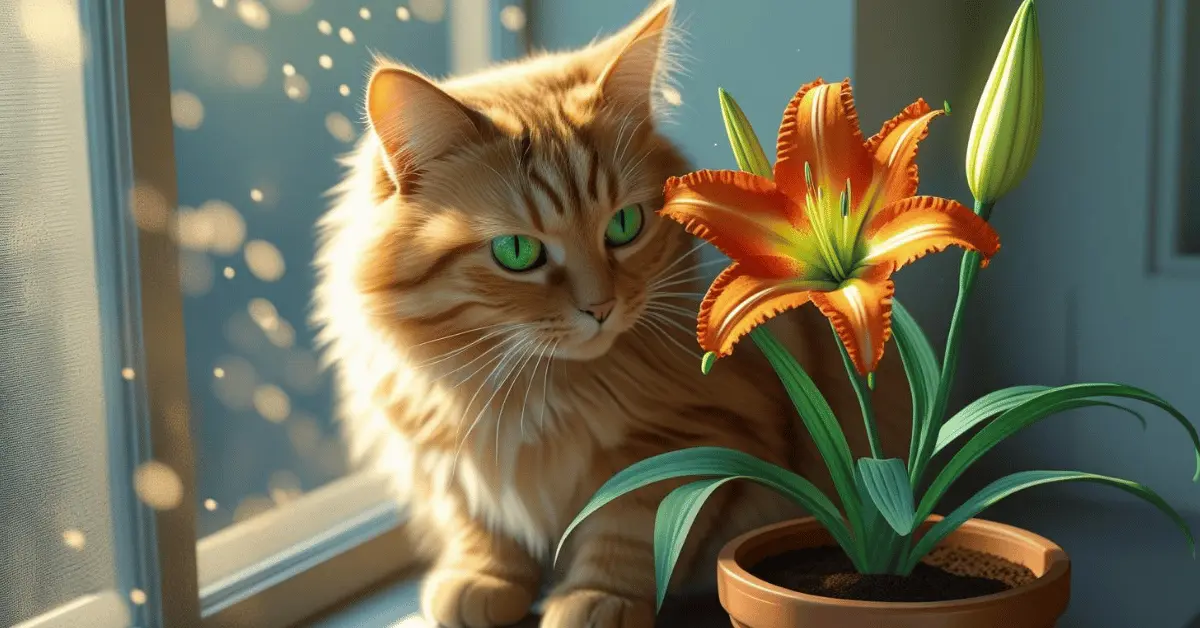

Cats are beloved companions, but their adventurous and curious nature often leads them into risky situations. Unlike humans, cats explore their world through taste, scent, and touch, which can sometimes mean nibbling on a plant leaf, licking a kitchen spill, or swatting at a pill bottle.
Foods That Are Toxic to Cats
Food is one of the most common sources of poisoning in household cats. Unlike dogs, cats are obligate carnivores, meaning their systems are designed to process meat, not a wide variety of foods.
Common Dangerous Foods
- Onions, garlic, and chives – These contain compounds that break down red blood cells, leading to Anemia. Cats exposed may seem weak, lethargic, or uninterested in eating.
- Chocolate – Perhaps the most widely known toxin, chocolate contains theobromine and caffeine, which overstimulate the nervous system and heart.
- Alcohol – Even tiny amounts of wine, beer, or spirits can depress a cat’s central nervous system, causing coordination loss, tremors, or even coma.
- Caffeine – Found in coffee, tea, sodas, and energy drinks, caffeine overstimulates cats, potentially leading to seizures.
Foods You Might Not Expect to Be Harmful
- Grapes and raisins – Though the exact toxin is still unknown, these fruits have been linked to kidney failure in pets.
- Raw yeast dough – When ingested, it expands in the stomach, creating painful bloating and producing alcohol as it ferments.
- Xylitol – This artificial sweetener, often found in gum, candy, and peanut butter, causes insulin surges and dangerous drops in blood sugar.
- Cooked bones – Splinter easily, creating internal injuries or blockages.
Plants That Pose Hidden Dangers
For many cats, plants are irresistible. They chew on leaves, paw at flowers, or rub against stems. Unfortunately, numerous common houseplants and garden plants are toxic to cats.
Indoor Plants to Avoid
- Lilies – These are among the most dangerous. Even licking pollen or drinking water from a lily vase can cause kidney failure.
- Aloe vera – A plant valued for its healing properties in humans, aloe causes vomiting and lethargy in cats.
- Pothos and philodendron – Popular houseplants that cause intense oral irritation and drooling when chewed.
Outdoor Plants That Endanger Cats
- Oleander – Contains toxins that interfere with heart function.
- Tulips and daffodils – Their bulbs contain compounds that lead to drooling, vomiting, and heart issues.
- Sago palm – Extremely toxic; a single seed can kill a cat by causing liver failure.
Keeping a safe home means researching every plant before bringing it indoors. A reliable source for plant safety is the ASPCA’s Toxic and Non-Toxic Plant List.
Household Chemicals and Cleaning Products
Cats are especially vulnerable because they groom themselves constantly, meaning any residue on their paws or fur is quickly ingested.
Cleaning Products to Watch Out For
- Bleach – Causes drooling, vomiting, and respiratory distress.
- Ammonia-based cleaners – Found in glass cleaners, they irritate lungs and eyes.
- Disinfectant sprays and wipes – Many contain phenols, which cats cannot metabolize.
- Drain cleaners – Highly corrosive, leading to burns if ingested.
Everyday Household Chemicals
- Antifreeze – Extremely toxic, with a sweet taste that attracts pets. Even a few drops can be fatal.
- Pesticides and rodenticides – Products targeting insects and rodents are just as harmful to cats.
- Essential oils – Many oils (tea tree, eucalyptus, peppermint, lavender) are toxic to cats when ingested or inhaled.
It’s not uncommon for cats to walk across a freshly cleaned floor or countertop, then lick their paws.
Related Posts
- Why Your Cat Follows You Everywhere
- Why Do Cats Meow at Night?
- Why Does My Cat Scratch the Furniture?
- Why Do Cats Knead Blankets and Pillows?
- Why Do Cats Sleep So Much?
Grooming and Personal Care Products
Many owners overlook beauty and grooming products when thinking about cat toxins. Yet, cats can be exposed when they lick their owner’s skin, explore a bathroom shelf, or get sprayed accidentally.
Dangerous Pet Grooming Products
- Dog flea treatments – Some contain permethrin, safe for dogs but fatal for cats.
- Shampoos not labeled for cats – May contain essential oils or chemicals that cats cannot tolerate.
Human Cosmetics and Toiletries
- Perfumes and deodorants – Aerosol sprays can irritate cats’ lungs.
- Nail polish and removers – Contain acetone, which is harmful if licked.
- Hair dye – Full of harsh chemicals that cause burns and poisoning.
Even indirect contact can be harmful. For instance, a cat that cuddles against freshly dyed hair may later ingest traces of the dye while grooming.
Overlooked Everyday Items That Harm Cats
Some of the most unexpected toxic risks come from ordinary objects lying around the house.
Kitchen and Bathroom Dangers
- Raw potatoes and tomatoes – Contain solanine, a natural poison.
- Toothpaste – Fluoride is toxic when swallowed.
- Citrus fruits – Cause upset stomachs and drooling.
Miscellaneous Household Hazards
- Coins and batteries – Swallowing these can release zinc or corrosive acids.
- Plastic bags – Suffocation risk, plus some contain dyes or chemicals.
- Glow sticks and jewelry – Contain caustic substances that irritate the mouth.
Cats are notorious for playing with objects that seem harmless but can turn into medical emergencies.
Symptoms of Poisoning in Cats
Recognizing poisoning quickly can save your cat’s life. While symptoms vary by toxin, common signs include:
- Sudden vomiting or diarrhea
- Excessive drooling or pawing at the mouth
- Weakness, stumbling, or lethargy
- Rapid or labored breathing
- Seizures or tremors
- Collapse or loss of consciousness
Cats often hide illness, so even subtle behavioural changes — such as refusing food or hiding — may signal trouble.
What to Do in a Poisoning Emergency
If you suspect poisoning, quick action matters.
Immediate Steps
- Remove your cat from the source of the toxin.
- Keep the packaging or sample of the substance to show your vet.
- Call your veterinarian.
What Not to Do
- Don’t induce vomiting unless directed by a vet.
- Don’t give milk or human remedies.
- Don’t wait — delays can cost your cat’s life.
Preventing Toxic Exposure
The most effective way to protect cats is prevention.
Cat-Proofing Strategies
- Store food, plants, and cleaning products out of reach.
- Use childproof locks on cabinets.
- Avoid bringing toxic plants into your home.
Creating Safe Alternatives
- Grow cat grass or catnip for safe chewing.
- Choose non-toxic cleaning products labeled “pet safe.”
- Provide engaging toys to reduce curiosity-driven nibbling.
Vet-Approved Long-Term Safety Tips
Veterinarians recommend combining prevention with proactive care.
- Schedule annual wellness visits to catch health issues early.
- Keep a pet-safe first aid kit at home.
- Post emergency contact numbers somewhere visible.
Frequently Asked Questions
Can cats drink milk?
Many cats are lactose intolerant, and milk causes diarrhea and stomach upset.
Is lavender toxic to cats?
Yes. Lavender oils and plants cause vomiting and neurological issues in cats.
What if my cat ate garlic or onion?
Seek immediate veterinary care — these foods destroy red blood cells.
Are essential oil diffusers safe?
No. Cats’ livers cannot process many oils, making airborne exposure dangerous.
Is incense safe for cats?
Incense smoke can irritate a cat’s sensitive lungs, so it should be avoided.
Creating a Safer Home for Your Cat
Cats enrich our lives with affection, companionship, and joy. But with their natural curiosity comes vulnerability. Knowing what is toxic to cats helps you remove hidden dangers and provide a home where your feline can thrive.

1 thought on “What Is Toxic to Cats? A Complete Pet Owner’s Guide”