
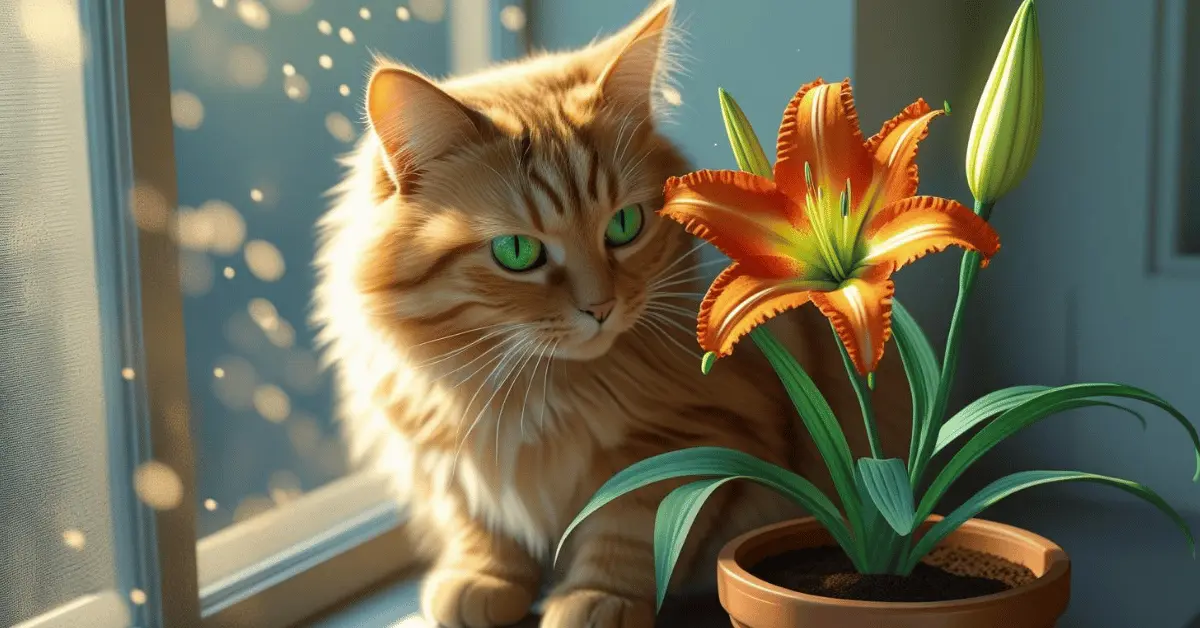

Human medicines, certain plants, some foods, dog flea treatments, rodenticides, antifreeze and concentrated chemicals can poison cats. The level of danger depends on the substance, amount, route of exposure and how quickly treatment begins.
Some exposures require immediate veterinary help even when the cat still appears normal. These include true lilies, unprescribed human pain medicines, dog flea products containing permethrin, antifreeze and rat poison.
Do not wait for symptoms after a known high-risk exposure. Remove the cat from the source, save the product label or plant sample and contact a veterinarian or emergency animal hospital immediately.
What Should You Do If Your Cat May Have Been Poisoned?
Take the following steps:
- Move the cat away from the substance.
- Prevent further licking, eating or skin contact.
- Save the package, ingredient label, medication bottle or plant sample.
- Estimate when the exposure occurred and how much may have been involved.
- Contact a veterinarian, emergency animal hospital or animal poison service.
- Follow professional instructions carefully.
Do not induce vomiting unless a veterinarian specifically instructs you to do so. The correct response depends on the substance, and vomiting can make some exposures more dangerous.
Do not give milk, salt, oil, hydrogen peroxide, charcoal or another home remedy without veterinary direction.
Human Medicines That Are Toxic to Cats
Human medication is one of the most serious household risks for cats. A dropped tablet, an open handbag or an owner attempting to treat pain at home can lead to a medical emergency.
Never give a cat human medication unless a veterinarian has prescribed the exact product, dose and schedule.
Acetaminophen or paracetamol
Acetaminophen, also called paracetamol, can cause severe poisoning in cats. It may damage red blood cells, interfere with oxygen delivery and injure the liver.
Never give a cat acetaminophen for pain or fever. Contact a veterinarian immediately after any suspected exposure, even when the cat has not developed symptoms.
Ibuprofen and naproxen
Ibuprofen and naproxen can cause stomach ulcers, intestinal injury, kidney damage and other serious problems in cats.
Do not assume that a low-dose or child-strength product is safe. Even a small accidental exposure may require urgent veterinary advice.
Aspirin
Aspirin can also be dangerous when given at the wrong dose or frequency. Cats process aspirin differently from people and many other animals.
A veterinarian may prescribe aspirin in limited situations, but owners should never give it without exact professional instructions.
Cold, flu and decongestant medicines
Cold and flu products may contain several active ingredients, including acetaminophen, pseudoephedrine, phenylephrine, caffeine or antihistamines.
This makes accidental exposure difficult to assess from the product name alone. Keep the complete package and contact a veterinarian so every ingredient can be checked.
Prescription medication
Heart medicines, antidepressants, attention-related medicines, sleep aids and other prescription products can cause serious poisoning.
Store medicines inside closed cabinets rather than on tables, countertops, bedside surfaces or in bags accessible to cats.
Foods That Can Harm or Poison Cats
Cats need complete and balanced feline food. Human foods may contain ingredients that their bodies cannot tolerate safely.
Onions, garlic, chives and leeks
Onions, garlic, chives and leeks belong to the Allium family. Raw, cooked, dehydrated and powdered forms can damage feline red blood cells and cause anaemia.
Cats appear especially susceptible, and symptoms may not become obvious immediately. Onion powder, garlic powder, soup mixes, sauces, gravies and seasoning blends may contain concentrated forms.
Contact a veterinarian after a meaningful or uncertain exposure rather than waiting for weakness, pale gums or loss of appetite.
Chocolate and caffeine
Chocolate contains theobromine and caffeine. Coffee, tea, energy drinks, caffeine tablets and some supplements also contain stimulants that can affect the heart and nervous system.
Possible signs include restlessness, vomiting, a rapid heartbeat, tremors and seizures. The risk depends on the product, concentration and quantity consumed.
Alcohol and raw yeast dough
Alcohol can affect the nervous system, breathing, blood sugar and body temperature.
Raw bread dough creates an additional risk because it can expand inside the stomach while yeast fermentation produces alcohol.
Keep rising dough, alcoholic drinks and alcohol-containing desserts away from cats.
Grapes and raisins
Grape and raisin kidney toxicity is well established in dogs, but cat-specific evidence is limited.
Do not intentionally offer grapes or raisins to cats. Contact a veterinarian after a substantial or uncertain ingestion, especially when the quantity is unknown.
Fruit cakes, cereals, trail mixes and baked foods may contain hidden raisins.
Xylitol
Xylitol can cause severe low blood sugar and liver injury in dogs. Current animal poison-control guidance does not classify it as toxic to cats in the same way.
However, sugar-free products should not be intentionally given to cats. They offer no nutritional benefit and may contain other unsuitable ingredients.
Not every human food is poisonous
Some foods are unnecessary rather than toxic.
For example, a tiny accidental lick of plain applesauce is unlikely to poison a healthy cat, but it provides no nutritional benefit. Sweetened or flavoured products may also contain ingredients that require greater caution.
The separate guide on whether cats can eat applesauce explains that exposure in more detail.
Plants That Are Toxic to Cats
Plant toxicity varies greatly. One plant may cause temporary mouth irritation, while another may cause kidney failure after a small exposure.
Identify plants by their scientific name whenever possible. Common names can refer to unrelated species with very different risks.
True lilies and daylilies
True lilies from the Lilium family and daylilies from the Hemerocallis family are medical emergencies for cats.
Leaves, flowers, stems, pollen and vase water can all create a risk. A cat may become exposed by chewing the plant, drinking vase water or grooming pollen from its fur.
These lilies can damage the kidneys and cause acute kidney failure without prompt treatment.
Do not keep true lilies or daylilies in a home with cats.
Not every plant with “lily” in its common name causes the same type of kidney injury. Correct identification still matters, but owners should treat an unidentified lily exposure as urgent until a professional confirms the plant.
Sago palm
All parts of the sago palm can be dangerous, with the seeds often containing a high concentration of toxin.
Exposure can cause vomiting, neurological signs, liver damage and severe illness. Remove sago palms entirely from homes and gardens accessible to cats.
Oleander
Oleander contains compounds that can disrupt normal heart function.
Flowers, leaves, stems and dried plant material may remain hazardous. Contact a veterinarian immediately after suspected chewing or ingestion.
Tulips and daffodils
Tulips and daffodils can cause drooling, vomiting and digestive irritation. Their bulbs usually contain a higher concentration of toxic compounds than many other parts of the plant.
Keep stored bulbs, garden beds and flower arrangements away from curious cats.
Pothos and philodendrons
Pothos and philodendron plants contain insoluble calcium oxalate crystals.
Chewing them can cause immediate mouth pain, drooling, pawing at the mouth and difficulty swallowing.
These plants do not cause the same kidney failure associated with true lilies, but affected cats may still need veterinary guidance.
Aloe vera
The aloe plant can cause vomiting, diarrhoea and tiredness when ingested.
Prevent cats from chewing its leaves or licking fresh aloe gel or latex.
Check every plant before bringing it home
Do not rely only on labels such as “natural,” “indoor plant” or “pet-friendly.”
Verify the exact species through a dependable animal-toxicity database before placing a plant where a cat can reach it.
Individual WhyWorld plant-safety guides will support this article after each page passes its own factual audit.
Flea and Tick Products Made for Dogs
Never apply a dog-only flea or tick treatment to a cat.
Some canine products contain permethrin or related pyrethroids at concentrations cats cannot tolerate. Exposure can cause drooling, twitching, tremors, seizures, breathing difficulty, weakness and death.
Exposure can occur through:
- Direct application of a dog product to a cat
- A leaking or spilled container
- Licking a recently treated dog
- Close contact with a recently treated dog
- Incorrect use of household insecticide
Follow the product’s separation instructions carefully. Some veterinary guidance recommends keeping cats away from recently treated dogs for at least 24 hours, but the exact period may vary by product.
Read the species label every time. A product that is safe for dogs is not automatically safe for cats.
Contact a veterinarian immediately if a cat receives a dog flea treatment or develops twitching, shaking or unusual behaviour after possible insecticide exposure.
Household Chemicals That Can Poison Cats
Antifreeze
Ethylene glycol antifreeze can cause severe kidney damage.
Cats may encounter it through a vehicle leak, an open container or contaminated garage flooring.
Any suspected antifreeze exposure requires immediate veterinary treatment. Do not wait for vomiting, weakness or changes in urination.
Clean spills immediately and store automotive products inside sealed cabinets.
Rat and mouse poison
Rodenticides use different active ingredients. Some interfere with blood clotting, while others affect the brain, kidneys or calcium balance.
A cat can become exposed by eating bait or, in some cases, consuming a poisoned rodent.
Treatment depends on the exact active ingredient, so keep the package and contact a veterinarian immediately.
Do not place loose bait where cats or their prey can reach it.
Cleaning products
Not every household cleaner is poisonous when used correctly.
Many products can be used safely around cats when owners follow the label, dilute them where required, rinse treated objects and keep animals away until surfaces are dry.
Concentrated bleach, drain cleaner and other corrosive products can burn the mouth, oesophagus, skin or eyes. Wet cleaning residue can also transfer to a cat’s paws and later be swallowed during grooming.
Store concentrated products securely and never mix cleaning chemicals.
Essential oils
Concentrated essential oils can harm cats after ingestion, direct skin or coat exposure, or significant inhalation.
The risk varies according to the oil, concentration, quantity and route of exposure.
It is inaccurate to say that every brief use of every diffuser automatically poisons cats. However, concentrated liquid, spills, direct application and poor ventilation create greater concern.
Use these precautions:
- Never apply concentrated essential oil directly to a cat.
- Prevent access to diffuser liquid and spilled oil.
- Use products only in well-ventilated spaces.
- Allow the cat to leave the room.
- Avoid diffuser use around cats with respiratory disease.
- Stop use if the cat coughs, drools, vomits, appears weak or has difficulty breathing.
Batteries and corrosive products
Chewing a battery can release corrosive material and cause burns.
Drain cleaners, oven cleaners and concentrated acids or alkalis can also injure the mouth, eyes, skin and digestive tract.
Do not induce vomiting after exposure to a corrosive product unless a veterinarian gives specific instructions.
Dangerous Items That Are Not Poisons
Some household objects can cause emergencies without acting as toxins.
Examples include:
- Cooked bones that splinter or cause obstruction
- String, thread, ribbon and dental floss
- Plastic bags that create a suffocation risk
- Needles, hooks and sharp objects
- Small toys that can become lodged
- Batteries that create both obstruction and chemical injury
A swallowed string requires a different response from a swallowed medication, but both may require urgent veterinary care.
Do not pull string from a cat’s mouth or rectum. It may be anchored inside the digestive tract.
Signs of Poisoning in Cats
Symptoms depend on the substance and may begin immediately or after a delay.
Possible warning signs include:
- Vomiting or diarrhoea
- Excessive drooling
- Pawing at the mouth
- Loss of appetite
- Sudden weakness or unusual tiredness
- Pale, blue, brown or yellowish gums
- Tremors, twitching or seizures
- Difficulty walking
- Rapid or difficult breathing
- Changes in drinking or urination
- Collapse
- Sudden hiding or abnormal behaviour
The absence of symptoms does not prove that a cat is safe.
Lily, onion, rodenticide and antifreeze exposures can cause serious internal injury before an owner recognises obvious signs.
How to Prevent Cat Poisoning at Home
Store medicines, vitamins and supplements inside closed cabinets. Do not leave tablets in handbags, bedside drawers or open pill organisers.
Keep these additional precautions in place:
- Check plants before purchasing them.
- Avoid true lilies and daylilies completely.
- Use only flea products specifically labelled for cats.
- Store rodenticides and pesticides securely.
- Clean automotive spills immediately.
- Keep cleaners in their original containers.
- Allow cleaned surfaces to dry before cats return.
- Secure rubbish bins and food waste.
- Keep emergency veterinary contact information accessible.
- Tell visitors not to feed the cat or leave medication within reach.
Prevention works best when everyone in the household understands that cats can reach high shelves, enter open bags and groom substances from their paws and coat.
Frequently Asked Questions
What human foods are toxic to cats?
Onions, garlic, chives, leeks, chocolate, caffeine, alcohol and raw yeast dough can harm cats. Other human foods may be unsuitable without being genuinely poisonous.
What plants are most dangerous to cats?
True lilies and daylilies are especially dangerous because exposure to leaves, flowers, pollen or vase water can cause acute kidney failure.
What human medicines are toxic to cats?
Acetaminophen, ibuprofen, naproxen and many prescription medicines can cause serious poisoning. Aspirin should only be given when a veterinarian prescribes the exact dose and schedule.
Is xylitol toxic to cats?
Xylitol causes severe poisoning in dogs but is not classified as toxic to cats in the same way. Sugar-free foods should still not be intentionally offered because they may contain other unsuitable ingredients.
Are essential-oil diffusers toxic to cats?
Not every controlled use causes poisoning, but concentrated oils, spills, direct skin exposure and poor ventilation can create serious risks. Cats with respiratory conditions may be particularly sensitive.

5 thoughts on “What Is Toxic to Cats? Foods, Plants and Home Dangers”